Wi-Fi management is the process of controlling, monitoring, and optimizing a business Wi-Fi network to ensure reliable performance, secure access, and a good user experience for customers and staff. For businesses that offer guest Wi-Fi, effective Wi-Fi management is essential for maintaining speed, visibility, and operational control.
Today, Wi-Fi is no longer just an internet connection. It is a customer touchpoint, an operational tool, and a source of valuable insights. This guide explains what Wi-Fi management is, why it matters for businesses, and how modern cloud-based platforms simplify the process.
What Is Wi-Fi Management?
Wi-Fi management refers to the tools and processes used to control how a Wi-Fi network operates, who can access it, how bandwidth is distributed, and how usage is monitored.
For businesses, Wi-Fi management typically includes:
- Managing guest Wi-Fi access
- Monitoring network performance
- Controlling bandwidth and session limits
- Managing multiple locations from one system
- Collecting usage and engagement data
A Wi-Fi management platform helps businesses move from unmanaged, open Wi-Fi to a structured, controlled, and measurable network.

Why Wi-Fi Management Matters for Businesses
Many businesses still treat Wi-Fi as a basic utility. This often leads to slow speeds, poor customer experience, and zero visibility into how the network is used.
Proper Wi-Fi management helps businesses:
- Deliver a consistent and reliable guest experience
- Prevent network congestion during peak hours
- Reduce complaints related to slow or unstable connections
- Maintain better operational control
- Understand how customers interact with their Wi-Fi
For customer-facing businesses such as hotels, cafes, retail stores, and offices, Wi-Fi quality directly impacts satisfaction and brand perception.
Key Components of a Wi-Fi Management System
A modern Wi-Fi management system includes several core components that work together.
Guest Wi-Fi Access Control
Controls who can connect to the network and under what conditions. This prevents unauthorized usage and helps manage network load.
Captive Portals
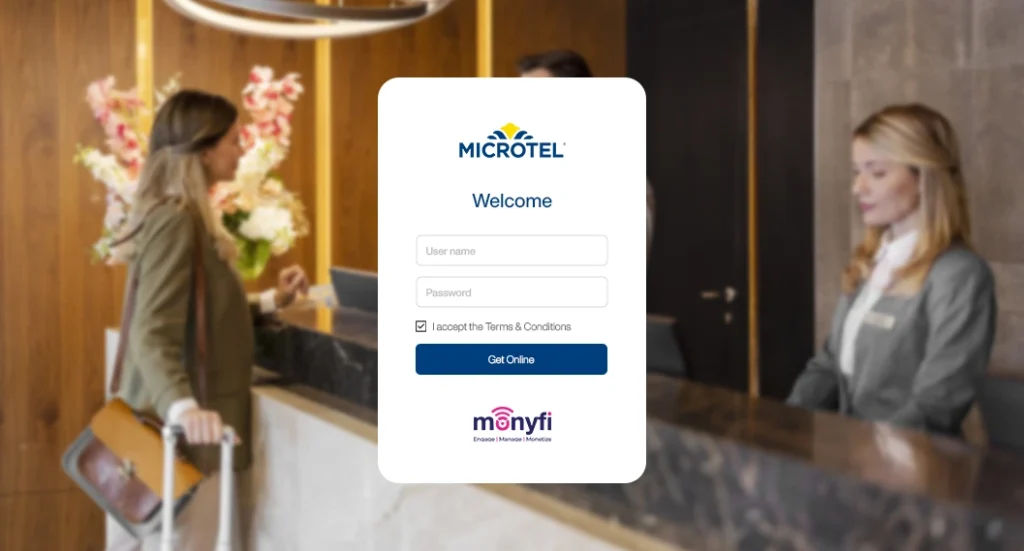
A captive portal is a branded page users see before accessing Wi-Fi. It allows businesses to present terms, collect basic information, or guide users through a structured login process.
Bandwidth and Session Control
Bandwidth control ensures that no single user consumes excessive network resources. Session controls manage how long users stay connected, helping maintain fair usage.
Centralized Monitoring
Centralized dashboards allow businesses to monitor network status, connected users, and performance metrics in real time.
Analytics and Reporting
Wi-Fi analytics provide insights into usage patterns, peak hours, repeat visits, and overall engagement, helping businesses make informed decisions.

Common Wi-Fi Management Challenges Businesses Face
Without proper management, businesses often encounter recurring issues.
Slow or Unreliable Guest Wi-Fi
Unmanaged networks struggle during busy periods, leading to poor user experience.
Lack of Visibility
Businesses often have no insight into how many users are connected, how long they stay, or when congestion occurs.
Managing Multiple Locations
For chains and franchises, managing Wi-Fi separately at each location becomes inefficient and inconsistent.
Poor Customer Experience
Complex passwords, unstable connections, and unclear access rules frustrate users.
These challenges highlight why manual or basic router-level setups are no longer sufficient.

How Cloud-Based Wi-Fi Management Solves These Problems
Cloud-based Wi-Fi management platforms centralize control and visibility across one or multiple locations.
With cloud Wi-Fi management, businesses can:
- Monitor networks remotely
- Apply consistent access policies
- Adjust bandwidth limits centrally
- View analytics from all locations in one place
- Scale easily without complex on-site changes
This approach reduces operational overhead and improves consistency across locations.
Wi-Fi Management for Multi-Location Businesses
For businesses with multiple branches, Wi-Fi management becomes more complex.
A centralized Wi-Fi management platform allows:
- Unified control across all locations
- Consistent guest Wi-Fi experience
- Faster rollout of changes and updates
- Easier troubleshooting without on-site visits
This is especially valuable for hotels, retail chains, co-working spaces, and franchise businesses.
How Businesses Use Wi-Fi Management to Improve Engagement and Revenue
While the primary goal of Wi-Fi management is stability and control, it also supports business growth.
Businesses use managed Wi-Fi to:
- Improve customer experience and dwell time
- Understand visit frequency and peak usage
- Support promotions and offers through captive portals
- Measure engagement without relying on guesswork
These insights help businesses make better marketing and operational decisions.
How to Choose the Right Wi-Fi Management Platform
When selecting a Wi-Fi management platform, businesses should consider:
- Ease of deployment and management
- Support for guest Wi-Fi access control
- Centralized dashboard and analytics
- Scalability for future growth
- Compatibility with existing infrastructure
A good platform should simplify operations, not add complexity.
Wi-Fi management is no longer optional for businesses that rely on guest connectivity. A structured approach helps improve performance, visibility, and customer experience while supporting growth and scalability.
Cloud-based platforms such as Monyfi help businesses centralize Wi-Fi management, monitor usage, and gain insights without heavy technical overhead. With the right tools, Wi-Fi becomes a reliable and valuable part of everyday business operations.
How Businesses Use Monyfi for Wi-Fi Management
Monyfi is a cloud-based Wi-Fi management platform designed to help businesses manage guest Wi-Fi access, monitor performance, and gain visibility across one or multiple locations from a single dashboard.
Businesses use Monyfi to:
- Manage guest Wi-Fi access through branded portals
- Monitor network usage and performance in real time
- Control bandwidth to ensure consistent user experience
- Centralize Wi-Fi management across multiple locations
The platform is commonly used by hotels, cafes, retail stores, campuses, and other customer-facing businesses that rely on stable and managed Wi-Fi networks.
Case Study 1: Hotel Chain Improving Guest Wi-Fi Experience
A mid-sized hotel chain used Monyfi to centrally manage guest Wi-Fi across multiple properties. By controlling bandwidth and monitoring usage in real time, the hotels reduced peak-time congestion and improved overall guest satisfaction, while minimizing on-site troubleshooting.
Case Study 2: Cafe and Retail Business Managing High User Volume
A cafe and retail business with heavy daily foot traffic used Monyfi to manage guest Wi-Fi access and ensure fair usage for all customers. The centralized dashboard helped staff maintain stable performance during busy hours without manual network adjustments.
Case Study 3: Multi-Location Business Simplifying Wi-Fi Operations
A multi-location business adopted Monyfi to replace separate Wi-Fi setups at each branch. Centralized management allowed consistent policies across locations, faster issue resolution, and better visibility into network usage patterns.
Case Study 4: Campus Environment Gaining Better Network Visibility
A campus environment used Monyfi to monitor guest Wi-Fi usage and understand peak access times. With clearer visibility into network behavior, the IT team was able to plan capacity improvements and maintain a smoother connectivity experience for users.
Conclusion
Wi-Fi management has become a core requirement for businesses that rely on guest connectivity. Without proper control and visibility, Wi-Fi networks can quickly impact performance, customer experience, and daily operations.
According to Cisco, effective network management helps organizations monitor performance, control access, and maintain reliable connectivity across business networks. By adopting a structured, cloud-based approach to Wi-Fi management, businesses can improve network stability, manage access more effectively, and gain insights that support smarter decisions. As the examples above show, centralized platforms help organizations simplify operations while delivering a consistent and reliable Wi-Fi experience across one or multiple locations.
With the right Wi-Fi management platform in place, Wi-Fi moves beyond basic connectivity and becomes a dependable part of modern business operations.
FAQ Section
What is Wi-Fi management in simple terms?
Wi-Fi management is the process of controlling, monitoring, and optimizing a Wi-Fi network to ensure stable performance, controlled access, and a good user experience for guests and staff.
Why do businesses need Wi-Fi management?
Businesses need Wi-Fi management to prevent slow connections, control usage, monitor performance, and ensure a consistent experience for customers across one or multiple locations.
What is the difference between Wi-Fi management and basic Wi-Fi routers?
Basic Wi-Fi routers provide connectivity only, while Wi-Fi management platforms offer centralized control, bandwidth management, analytics, and visibility into how the network is used.
What is guest Wi-Fi management?
Guest Wi-Fi management focuses on controlling how customers access a business Wi-Fi network, including login methods, session limits, performance control, and usage tracking.
Can Wi-Fi management work across multiple business locations?
Yes. Cloud-based Wi-Fi management platforms allow businesses to manage multiple locations from a single dashboard with consistent settings and policies.
No. Wi-Fi management is useful for small businesses, franchises, and large enterprises that want better control, performance, and insights from their Wi-Fi networks.