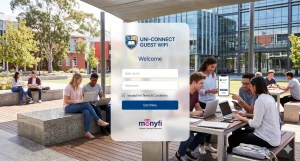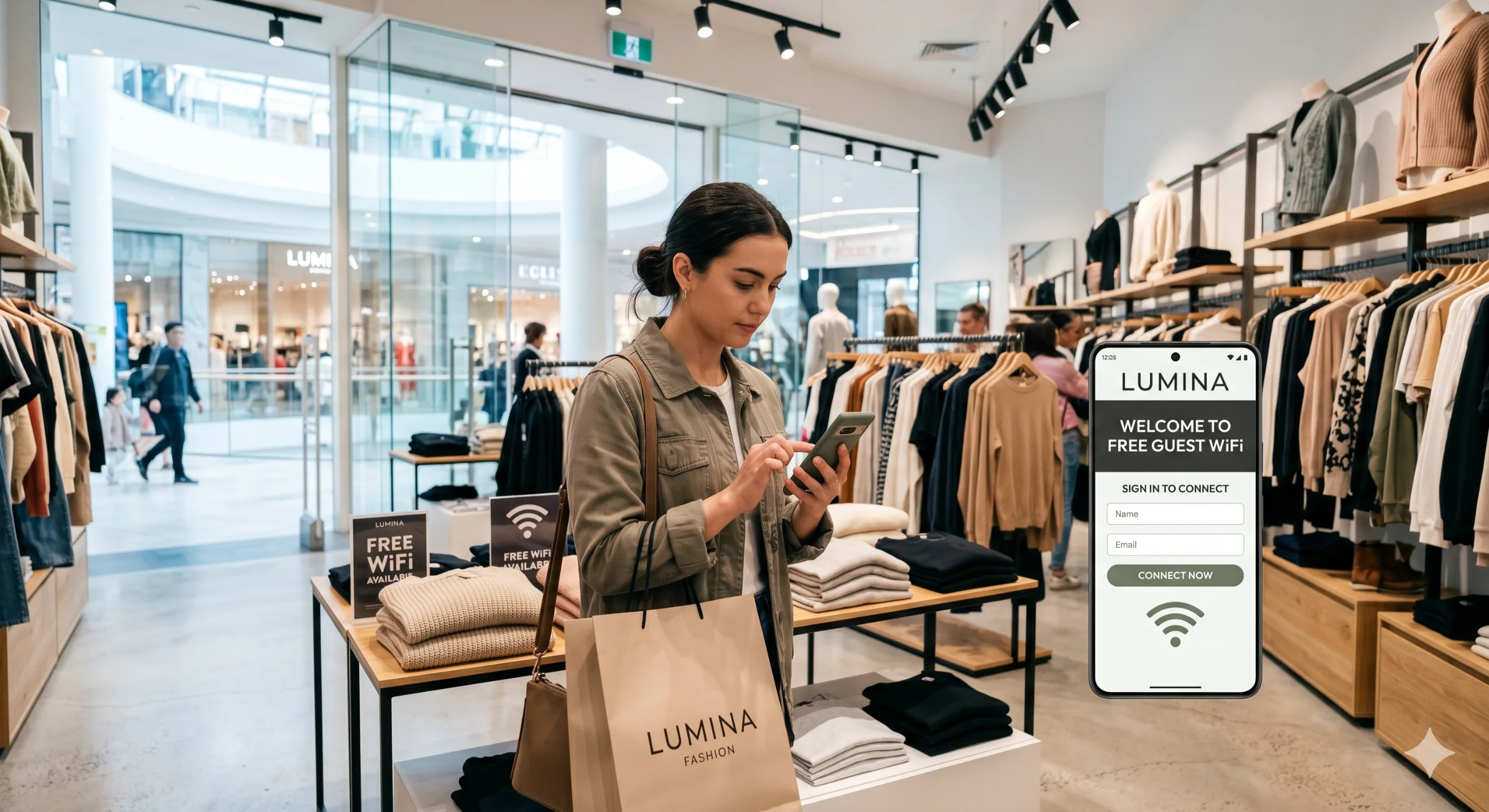
A retail captive portal is one of the most effective tools retailers can use in 2026 to turn free WiFi into revenue, customer insights, and repeat sales. Instead of offering internet access without strategy, modern stores now use captive portals to monetize connectivity, collect shopper data, and improve in-store engagement.
Today’s shoppers expect seamless WiFi when visiting stores, malls, and showrooms. However, simply providing internet access does not create value. Therefore, retailers are adopting smarter solutions that combine guest WiFi retail systems, data capture, and marketing automation into one platform. This approach transforms WiFi from a basic utility into a powerful business engine.
In addition, new technologies make it easy to deploy a retail captive portal without complex infrastructure. Retailers can launch branded login pages, display sponsored promotions, and track customer behavior in real time. As a result, businesses gain insights that help increase foot traffic and boost sales.
This guide explains how to monetize WiFi using a retail captive portal, capture valuable shopper data, and build loyalty programs that drive repeat visits. Most importantly, it shows how a cloud platform like Monyfi enables retailers to implement these strategies quickly and securely.
If your goal is to increase revenue, understand customers better, and stay competitive in 2026, this is the roadmap to follow.
Why Retail Stores & Shopping Malls Need Captive Portals in 2026
Retail is evolving rapidly. Shoppers now expect digital convenience in physical stores. Therefore, a retail captive portal has become essential for modern retail environments.
Whether you operate a single store or a large shopping center, captive portals provide measurable business value.
Rising Customer Expectations
Customers want:
- Fast internet access
- Personalized offers
- Seamless digital experiences
- Convenient loyalty rewards
A guest WiFi retail system meets these expectations while supporting business growth.
Increased Competition in Retail
Retailers face growing competition from online stores. Therefore, physical locations must offer better experiences.
Captive portals help by:
- Enhancing customer engagement
- Delivering targeted promotions
- Improving in-store satisfaction
Digital Transformation in Retail
Retailers are investing in technology to stay competitive. A retail captive portal supports this transformation by integrating marketing, analytics, and customer communication.
Real Business Outcomes
Retailers using captive portals often see:
- Increased foot traffic
- Higher conversion rates
- Stronger customer loyalty
- Improved operational efficiency
Therefore, adopting a retail captive portal is not just a technology decision. It is a strategic growth initiative.
Ready to modernize your retail experience? Start free Monyfi trial today.
Key Benefits (Security, Data Capture, Revenue)
A retail captive portal delivers multiple benefits that directly impact profitability and customer engagement.
Below is a simple breakdown of the most important advantages.
| Benefit Category | What It Does | Business Impact |
|---|---|---|
| Security | Controls network access | Protects customers and systems |
| Data Capture | Collects shopper information | Enables targeted marketing |
| Revenue Generation | Displays ads and offers | Creates new income streams |
| Customer Experience | Provides seamless WiFi | Increases satisfaction |
| Analytics | Tracks behavior and visits | Improves decision-making |
Security Benefits
A captive portal protects your network by requiring authentication before granting access.
This prevents:
- Unauthorized usage
- Network abuse
- Security risks
Data Capture Benefits
With consent-based login, retailers can collect valuable information.
Examples:
- Email addresses
- Phone numbers
- Visit frequency
- Shopping patterns
This data helps retailers personalize marketing campaigns.
Revenue Opportunities
A retail captive portal creates new income streams through:
- Sponsored promotions
- Premium internet access
- Digital advertising
- Loyalty incentives
Therefore, WiFi becomes a revenue-generating asset instead of a cost.
Step-by-Step Captive Portal Setup for Retail
Setting up a retail captive portal is simpler than many retailers expect. With modern cloud solutions, the process takes minutes instead of weeks.
Follow these steps to get started.
Step 1: Choose a Reliable Platform
Select a cloud-based system that supports:
- Guest WiFi management
- Data capture
- Advertising tools
- Analytics dashboards
- Loyalty integration
A scalable platform ensures long-term performance.
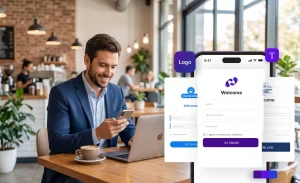
Step 2: Create a Branded Login Page
Your login page is the first digital interaction shoppers see. Therefore, design it carefully.
Include:
- Store logo
- Promotions
- Contact information
- Privacy consent
This step strengthens brand identity.
Step 3: Configure Access Rules
Define how customers connect to WiFi.
Common options:
- Free limited-time access
- Voucher-based access
- Premium internet access
- Loyalty member access
These rules help manage network usage.
Step 4: Enable Data Collection
Capture customer information responsibly using consent-based login.
Important data points:
- Email address
- Phone number
- Visit frequency
- Device type
This data supports targeted marketing campaigns.
Step 5: Launch and Monitor
After deployment, monitor performance using analytics dashboards.
Track:
- Number of users
- Session duration
- Customer engagement
- Revenue generated
Continuous monitoring ensures success.
Launch your retail captive portal in minutes. Book a demo today.
Sponsored Ads & Brand Partnerships That Pay the Bill
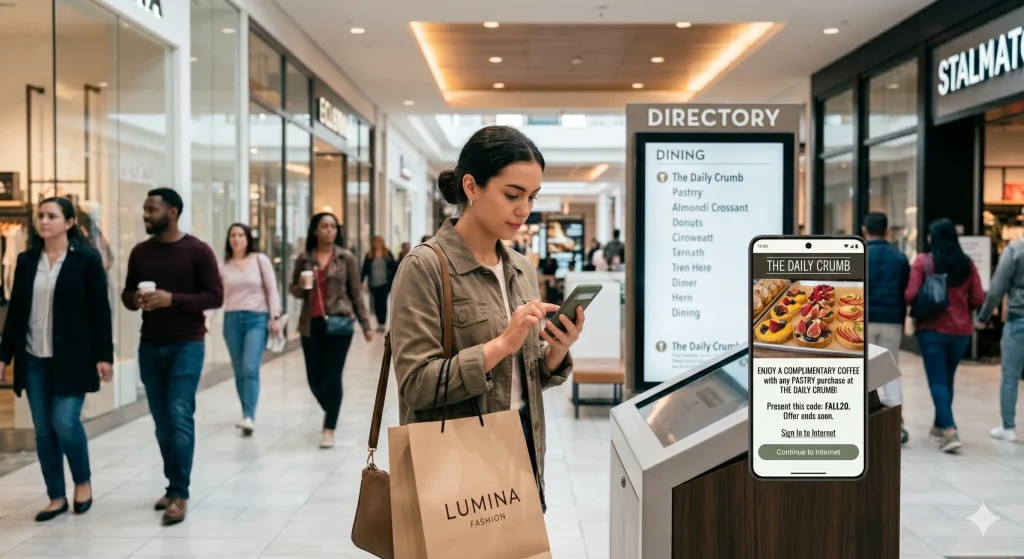
One of the biggest advantages of a retail captive portal is the ability to generate revenue through advertising.
Instead of charging customers directly, retailers can partner with brands.
How Sponsored Ads Work
Before accessing WiFi, shoppers view a short advertisement or promotional message.
Examples:
- Product promotions
- Discount offers
- Event announcements
- Brand campaigns
These ads appear on the login page.
Benefits of Sponsored Advertising
Sponsored ads provide:
- Additional revenue
- Reduced operational costs
- Increased brand visibility
- Improved customer engagement
Therefore, advertising becomes a sustainable revenue source.
Example Partnership Scenario
A retail store partners with a clothing brand.
Customers see:
- Brand promotion
- Discount coupon
- New product announcement
The retailer receives payment for displaying the promotion.
Best Practices for Sponsored Ads
- Keep ads short
- Use relevant content
- Limit frequency
- Track performance
These practices maintain customer satisfaction.
Turn your WiFi into an advertising platform. Start free Monyfi trial today.
Analytics to Increase Foot Traffic & In-Store Sales
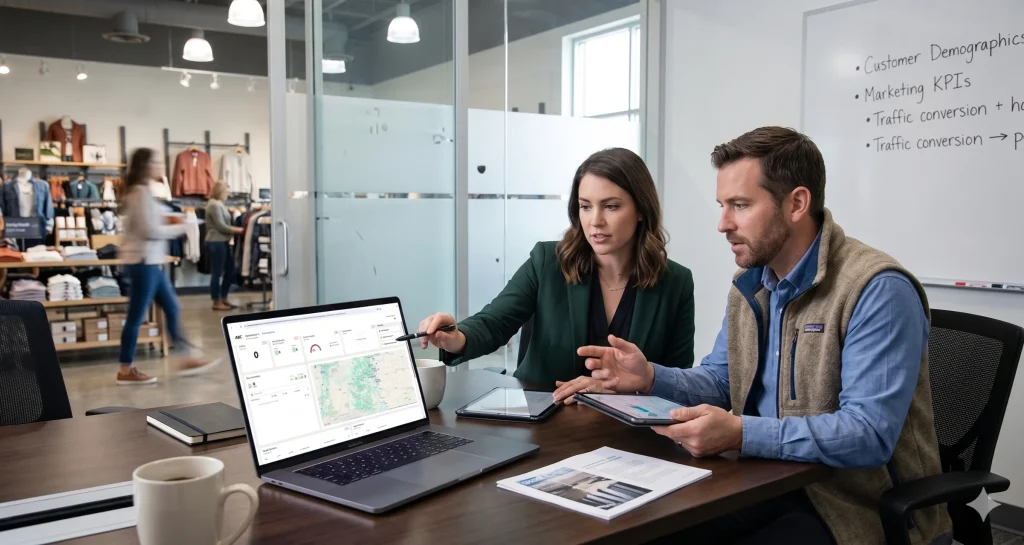
Data is the foundation of modern retail. A retail captive portal provides powerful analytics that help retailers understand customer behavior.
Without analytics, decision-making becomes guesswork.
Key Metrics to Monitor
Retailers should track:
- Number of visitors
- Visit frequency
- Peak shopping hours
- Average dwell time
- Conversion rates
These metrics reveal customer patterns.
How Analytics Drive Sales
Analytics help retailers:
- Identify busy periods
- Optimize staffing
- Improve store layout
- Target promotions
As a result, sales increase.
Real-Time Insights
Modern dashboards provide real-time data that enables quick decision-making.
Examples:
- Traffic trends
- Customer engagement
- Campaign performance
- Revenue growth
Therefore, analytics transform data into actionable insights.
See your customer behavior in real time. Start free Monyfi trial today.
Loyalty & Repeat Shopper Strategies
Customer retention is more profitable than customer acquisition. Therefore, loyalty programs play a critical role in retail success.
A retail captive portal makes loyalty programs easy to implement and manage.
How Loyalty Programs Work
Customers connect to WiFi and earn rewards automatically.
Examples:
- Points for each visit
- Discounts for repeat purchases
- Exclusive promotions
- Free services
These incentives encourage repeat visits.
Benefits of Loyalty Programs
Loyalty programs:
- Increase customer retention
- Boost spending
- Strengthen brand loyalty
- Improve customer satisfaction
Key Features of Effective Loyalty Programs
Successful programs include:
- Visit tracking
- Personalized rewards
- Automated notifications
- Customer segmentation
These features create a seamless experience.
Example Loyalty Strategy
| Visit Number | Reward |
|---|---|
| 3 | Discount coupon |
| 5 | Free product |
| 10 | Exclusive promotion |
This structure motivates customers to return.
AAA Security & Consent Best Practices
Security is critical for any retail captive portal. Customers trust retailers to protect their data and privacy.
AAA stands for:
- Authentication
- Authorization
- Accounting
These three components ensure secure network access.
Authentication
Authentication verifies user identity before granting access.
Common methods:
- Email login
- Phone verification
- Social login
- Voucher codes
Authorization
Authorization determines what users can access.
Examples:
- Internet access limits
- Usage duration
- Content restrictions
Accounting
Accounting tracks user activity for monitoring and reporting.
This includes:
- Session duration
- Data usage
- Login history
Consent Best Practices
Retailers should:
- Display privacy policies
- Request user consent
- Protect personal data
- Follow data regulations
These practices build trust and compliance.
Mistakes to Avoid + 2026 Tips
Even advanced technology can fail if implemented incorrectly. Therefore, avoiding common mistakes is essential.
Mistake 1: Offering Free WiFi Without Strategy
Free internet without monetization wastes opportunities.
Mistake 2: Ignoring Data Collection
Data is the foundation of modern marketing.
Mistake 3: Using Generic Login Pages
A branded login page improves customer engagement.
Mistake 4: Overloading Customers With Ads
Too many ads reduce satisfaction.
Mistake 5: Skipping Analytics
Without data, optimization is impossible.
Mistake 6: Weak Security
Poor security risks customer trust.
Mistake 7: Not Updating Technology
Outdated systems reduce performance.
2026 Retail Captive Portal Tips
To stay competitive, retailers should:
- Use personalized promotions
- Integrate loyalty programs
- Monitor analytics regularly
- Optimize network performance
- Partner with brands
These strategies drive long-term success.
How Monyfi Helps Retailers Launch Captive Portals Faster
Retailers need a reliable platform to manage guest WiFi, capture customer data, and run marketing campaigns without complex setup. Monyfi provides a simple cloud-based solution that allows stores and shopping malls to deploy a retail captive portal quickly. From creating branded login pages to configuring access rules and displaying sponsored promotions, the platform helps retailers turn WiFi into a measurable business tool.
In addition, Monyfi supports loyalty programs and real-time analytics that help retailers understand shopper behavior and increase repeat visits. Businesses can track foot traffic, monitor engagement, and deliver personalized offers to customers automatically. As a result, retailers can improve customer experience, boost in-store sales, and generate new revenue streams from their guest WiFi network.
Ready to get started? Start today.
Conclusion
A retail captive portal is one of the most powerful tools retailers can use in 2026 to increase revenue, capture customer data, and improve shopping experiences.
Instead of treating WiFi as a free service, retailers can transform it into a strategic business asset.
By combining:
- Sponsored advertising
- Customer data capture
- Loyalty programs
- Real-time analytics
- Secure network management
retailers create a system that drives growth and profitability.
Most importantly, a cloud platform like Monyfi makes implementation simple. From branded login pages to advanced analytics, everything works together in one dashboard.
FAQ: Retail Captive Portals & Guest WiFi Monetization
1. What is a retail captive portal and how does it work?
A retail captive portal is a branded login page that customers see before connecting to a store’s guest WiFi network. It controls internet access, collects customer data with consent, and allows retailers to display promotions or advertisements. In 2026, captive portals are widely used to improve customer engagement, generate revenue, and enhance the shopping experience.
2. How can retailers monetize guest WiFi using a captive portal?
Retailers can monetize guest WiFi through several methods, including sponsored advertisements, premium internet access, loyalty rewards, and promotional campaigns. A retail captive portal enables stores to display targeted offers on the login page, partner with brands, and collect customer insights that support marketing strategies. As a result, WiFi becomes a revenue-generating asset instead of a cost.
3. What customer data can a retail captive portal collect?
With consent-based login, a retail captive portal can collect valuable customer information such as email addresses, phone numbers, visit frequency, device type, and shopping behavior. Retailers use this data to personalize promotions, improve customer service, and track store performance. Therefore, data collection helps businesses make smarter marketing decisions.
4. How do captive portals help increase foot traffic in retail stores?
Captive portals provide analytics that reveal customer visit patterns, peak shopping hours, and dwell time inside stores. Retailers can use these insights to schedule staff efficiently, run targeted promotions, and improve store layout. In addition, personalized offers delivered through guest WiFi encourage customers to return more often, increasing foot traffic and sales.
5. Are retail captive portals secure for customers and businesses?
Yes. Modern retail captive portals use secure authentication, authorization, and accounting systems to protect network access and customer data. They also follow consent-based privacy practices and encryption standards to ensure safe connections. Therefore, businesses can provide guest WiFi confidently while maintaining strong security and compliance.
6. How do loyalty programs work with a retail captive portal?
A retail captive portal can automatically track customer visits and reward repeat shoppers through loyalty programs. Customers connect to WiFi using their credentials, and the system records each visit. Retailers can then offer discounts, rewards, or exclusive promotions based on customer behavior. This approach increases retention and encourages repeat purchases.
7. What are the benefits of using a cloud-based retail captive portal platform?
Cloud-based platforms allow retailers to manage guest WiFi networks, marketing campaigns, and analytics from a single dashboard. They reduce setup complexity, support multiple locations, and provide real-time insights into customer behavior. In addition, cloud solutions make it easier to scale operations as the business grows.
8. How quickly can a retail store set up a captive portal?
Most modern systems allow retailers to deploy a retail captive portal within minutes. After selecting a platform, businesses can create a branded login page, configure access rules, and enable customer data capture without specialized technical skills. Therefore, stores can start monetizing guest WiFi almost immediately.