In today’s connected world, a reliable Wi-Fi network is the backbone of any business, from cozy cafés to sprawling enterprises. A Wi-Fi management system empowers businesses to optimize, secure, and even monetize their networks with ease. But with countless options available, how do you choose the right one? This guide dives into the benefits, key features, and top systems, with a focus on network optimization and remote Wi-Fi monitoring, to help you make an informed decision. Whether you’re a hotel manager or an IT director, you’ll find actionable insights to elevate your connectivity.

Why You Need a Wi-Fi Management System
A Wi-Fi management system is a centralized platform that allows businesses to control, monitor, and optimize their wireless networks. According to recent research mentioned by Ritzau, a news and press service agency, 84% of businesses report rising network outages over the past two years, with costs exceeding $1 million annually for over a third of organizations. A robust system mitigates these issues by offering real-time insights and seamless control.
Key Benefits of Wi-Fi Management Systems
- Enhanced Reliability: Minimize downtime with proactive monitoring and automatic issue detection.
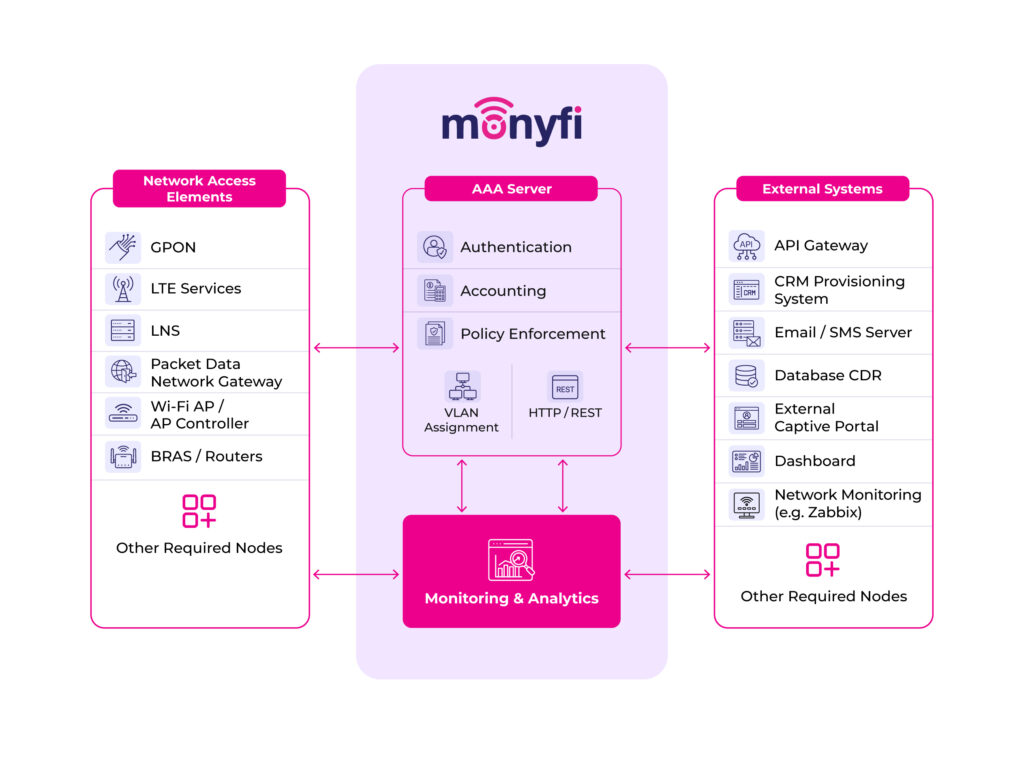
- Improved Security: Protect guest data with features like AAA (Authentication, Authorization, Accounting) protocols.
- Cost Efficiency: Optimize bandwidth to reduce operational costs.
- Scalability: Easily expand coverage for growing businesses, from single venues to multi-site enterprises.
- Revenue Opportunities: Monetize Wi-Fi through guest vouchers or targeted ads, boosting ROI.
Who Needs It?
Businesses in hospitality, retail, airports, or offices benefit most. For example, cafés use Wi-Fi management systems to offer seamless guest access, while enterprises leverage remote Wi-Fi monitoring for large-scale operations. The right system aligns with your industry and goals.

Must-Have Features in a Wi-Fi Management System
Choosing a Wi-Fi management system hinges on features that address your specific needs. Below are essential capabilities, optimized for network optimization and user experience.
Core Features to Look For
- Centralized Dashboard: A single interface for monitoring network performance, user activity, and device status.
- Remote Wi-Fi Monitoring: Real-time alerts and analytics to troubleshoot issues from anywhere, critical for multi-site businesses.
- Guest Access Management: Customizable captive portals for branded login experiences, ideal for hospitality.
- Bandwidth Control: Allocate resources dynamically to prevent congestion, ensuring smooth performance.
- AAA Integration: Authentication, authorization, and accounting for secure access and usage tracking.
- Analytics and Reporting: Detailed insights into Wi-Fi usage, visitor behavior, and monetization potential.
- Cloud-Based Scalability: Seamless integration with existing access points (APs) without hardware upgrades.
Monyfi’s Advantage
Monyfi’s cloud-based Managed Wi-Fi as a Service (MWaaS) platform stands out for its user-friendly, revenue-focused design, making it ideal for small-to-medium businesses in hospitality, retail, and beyond. Unlike more complex enterprise tools, Monyfi requires no hardware upgrades and integrates effortlessly with existing APs, enabling quick onboarding.

Key modules include:
- Remote Wi-Fi Management Module: Full control over uplink/downlink settings, time/data-based vouchers, and blacklists/whitelists from a centralized dashboard. This supports remote Wi-Fi monitoring across multiple networks, allowing real-time adjustments to optimize performance and prevent outages.
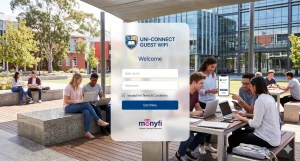
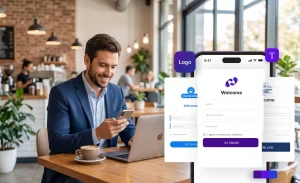
- Customizable Captive Portal Module: Build branded landing pages from templates or scratch, with tailored messaging and themes to engage users. It’s perfect for network optimization by capturing visitor data at login, turning Wi-Fi into a branding tool.
- Campaign Manager (Targeted Advertising): Post-login ad delivery via images, sliders, videos, or surveys—location-based for relevance. This unlocks passive revenue, with businesses reporting up to 15% engagement boosts.
- Analytics Module: Real-time insights into user behavior, data usage, device types, and portal data. Actionable reports help refine strategies, such as identifying peak usage for better bandwidth allocation.
- Business Manager Module: White-label onboarding for partners or integrators, enabling scalable, branded reselling to enterprise clients like hotel chains.
- API Module: Seamless connections to CRM (e.g., Salesforce), payment gateways (e.g., Stripe), booking systems, and POS solutions. This bidirectional integration streamlines workflows, like auto-provisioning guest access from reservations.
Benefits extend to diverse industries: Hotels use portals for seamless check-ins; cafés leverage vouchers for loyalty upsells; airports deploy targeted ads for retail promotions; and malls track foot traffic via analytics. Monyfi’s AAA-like secure access ensures compliance, while its scalability supports everything from single-site gyms to multi-venue event spaces. Overall, it transforms Wi-Fi from a cost center into a revenue driver, with cost reductions and new ad streams.
How to Implement a Wi-Fi Management System
Deploying a Wi-Fi management system is straightforward with these steps:
- Assess Needs: Identify goals (e.g., guest Wi-Fi, monetization, security) and network size.
- Choose Hardware: Ensure APs (e.g., RUCKUS, Aruba) support cloud integration.
- Select Platform: Pick a system like Monyfi.
- Configure APs: Follow platform guides to connect APs to the cloud dashboard.
- Set Up Portals: Customize login pages with branding and monetization options.
- Enable Analytics: Track usage and behavior for data-driven decisions.
- Test Network: Run stress tests to ensure reliability and adjust bandwidth.
- Train Staff: Teach dashboard use and basic troubleshooting.
Pro Tip: Start with a trial, like Monyfi’s demo, which offers guided setup for cafés and hotels.
FAQs About Wi-Fi Management Systems
What is a Wi-Fi Management System?
A Wi-Fi management system is a software platform that centralizes control over wireless networks, enabling monitoring, security, and monetization. It’s essential for businesses seeking network optimization and guest satisfaction.
How Does It Improve Guest Experience?
By offering branded captive portals and seamless access, systems like Monyfi enhance user engagement while ensuring secure connections.
Is a Cloud-Based System Better?
Cloud systems, like Monyfi, offer remote Wi-Fi monitoring, scalability, and lower upfront costs compared to on-premise solutions, per Cisco’s report on 60% cloud adoption growth.
Can I Monetize My Wi-Fi?
Yes, through voucher sales, targeted ads, or data insights.
Future Trends in Wi-Fi Management
The Wi-Fi management system landscape is evolving rapidly:
- AI-Driven Optimization: AI will predict usage patterns, reducing downtime by up to 50% (Cisco estimate).
- IoT Integration: Systems will manage smart devices, critical for smart buildings.
- Monetization Growth: The Wi-Fi Alliance projects a $50B market for monetized networks by 2027.
- Enhanced Security: AAA protocols will become standard to combat rising cyber threats.
Businesses adopting platforms like Monyfi now can stay ahead of these trends, leveraging network optimization for competitive advantage.
Conclusion: Choose the Right Wi-Fi Management System
A Wi-Fi management system is more than a tech tool—it’s a strategic asset for boosting efficiency, security, and revenue. Monyfi’s cloud-based platform, with its focus on remote Wi-Fi monitoring and monetization, is ideal for cafés, hotels, and retail venues. Don’t let downtime or complexity hold you back.
Ready to transform your network? Try Monyfi today!