The Invisible Power Behind Seamless Guest Wi-Fi
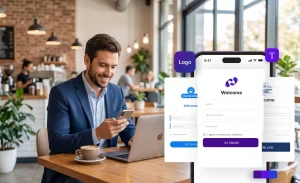
Imagine a busy hotel lobby in 2026. Guests arrive from different parts of the world, phones in hand, expecting instant internet access. They tap the Wi-Fi network, a clean branded page appears, they connect in seconds, and move on with their day.
Behind that smooth experience, the hotel quietly strengthens its network security, collects useful insights, and stays compliant with modern data laws. That invisible layer making everything work is a captive portal.
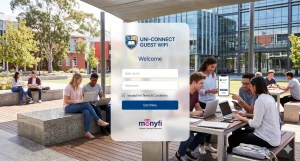
A captive portal for guest Wi-Fi is a web based authentication page that appears before users can access the internet. It may ask guests to accept terms, enter an email, sign in via social media, or receive a one time password. What looks simple on the surface has become essential in 2026, especially as cyber threats increase and privacy regulations tighten worldwide.
Open Wi-Fi networks without control are no longer acceptable for hotels, cafes, retail stores, or any customer facing business. Guests demand speed and simplicity, while businesses need protection, visibility, and value from their networks. Captive portals sit perfectly at that intersection.
After more than a decade working with guest Wi-Fi systems across hospitality, food and beverage, and retail environments, I have seen captive portals evolve from basic login screens into powerful business tools. Today, they improve security, enhance user experience, support marketing, and even generate revenue.
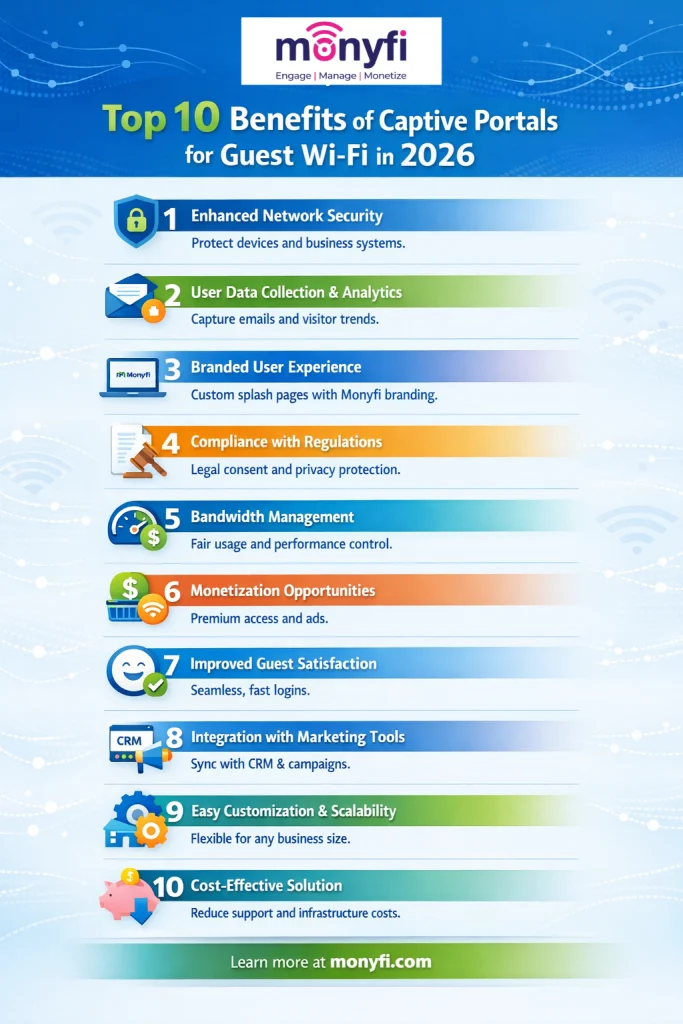
In this guide, we will break down the top 10 benefits of captive portals for guest Wi-Fi in 2026, backed by real world examples, industry statistics, and practical implementation tips. If you manage or plan to upgrade guest Wi-Fi, this article will give you clarity and confidence.
1. Enhanced Network Security
Why captive portals improve guest Wi-Fi security
Security is the number one reason businesses adopt captive portals. An open network allows anyone to connect anonymously, making it easy for attackers to intercept traffic or misuse bandwidth. Captive portals act as a controlled entry point.
By requiring authentication or terms acceptance, you significantly reduce unauthorized access. According to Cisco’s Annual Internet Report, unsecured networks remain one of the top entry points for small business cyber incidents.
Real world example
Large hotel chains like Marriott use controlled guest Wi-Fi access to separate guest traffic from internal systems such as property management and payment processing. This network segmentation reduces risk even if a guest device is compromised.
Pros and cons
Pros
- Reduces unauthorized access
- Supports network segmentation
- Creates accountability for users
Cons
- Poorly designed portals can slow initial access
- Requires proper configuration
Implementation tips
- Use WPA3 combined with captive portal authentication
- Isolate guest networks from internal operations
- Log access data responsibly
Key takeaways
- Captive portals protect both guests and business systems
- Security does not have to compromise convenience
- Proper setup is critical
2. User Data Collection and Analytics
Turning Wi-Fi access into insights
Guest Wi-Fi is one of the most underused data sources in physical locations. Captive portals enable ethical and transparent user data collection, such as email addresses, visit frequency, and device type.
Gartner reports that businesses using captive portals see up to a 30 percent increase in first party customer data collection compared to open Wi-Fi networks.
Real world example
Retail brands like Starbucks use Wi-Fi logins to understand peak hours, repeat visitors, and regional behavior patterns. This data informs staffing, promotions, and store layouts.
Pros and cons
Pros
- Builds a first party data asset
- Improves marketing accuracy
- Works without cookies
Cons
- Requires clear privacy disclosures
- Data must be stored securely
Implementation tips
- Keep forms short and relevant
- Always explain why data is collected
- Integrate analytics dashboards
Key takeaways
- Captive portals turn Wi-Fi into a data channel
- First party data is more valuable than ever
- Transparency builds trust
3. Branded User Experience
Wi-Fi as a brand touchpoint
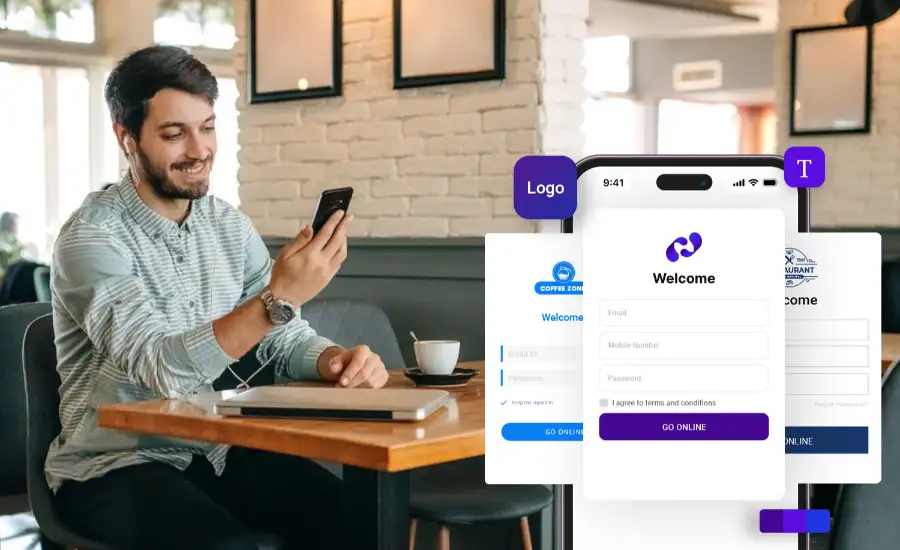
Every guest connecting to Wi-Fi sees your captive portal. That makes it a powerful branding opportunity. Instead of a generic login page, businesses can design custom splash pages that reflect their identity.
Wi-Fi Alliance studies show that users are more likely to trust and complete logins on branded portals versus generic ones.
Real world example
Boutique hotels often showcase spa offers or restaurant promotions directly on their Wi-Fi splash pages, increasing on property engagement.
Pros and cons
Pros
- Reinforces brand identity
- Promotes offers instantly
- Creates a professional impression
Cons
- Poor design can hurt usability
- Requires periodic updates
Implementation tips
- Match portal design with your website
- Keep messaging minimal
- Optimize for mobile screens
Key takeaways
- Guest Wi-Fi is part of the customer journey
- Branding builds trust
- Simple design performs best
4. Compliance with Regulations
Staying legally protected in 2026
Data privacy regulations like GDPR and similar regional laws require clear user consent. Captive portals ensure guests explicitly accept terms and privacy policies before connecting.
This protects businesses from legal disputes related to misuse or unlawful activity on their networks.
Real world example
European hotels rely heavily on captive portals to log consent and session data, which helps during compliance audits or investigations.
Pros and cons
Pros
- Clear user consent
- Legal protection
- Audit friendly records
Cons
- Legal text must be updated regularly
- Overly long terms reduce acceptance
Implementation tips
- Work with legal advisors on wording
- Use plain language
- Store consent logs securely
Key takeaways
- Compliance is not optional
- Captive portals simplify consent
- Legal clarity protects reputation
5. Bandwidth Management and Control
Preventing network overload
Without controls, a few heavy users can slow down Wi-Fi for everyone. Captive portals allow bandwidth limits per device or session.
According to Wi-Fi Alliance, managed guest networks experience fewer complaints and higher satisfaction scores.
Real world example
Cafes often limit streaming speeds while allowing fast browsing and messaging, ensuring fair access for all customers.
Pros and cons
Pros
- Fair usage for all guests
- Predictable performance
- Lower support issues
Cons
- Misconfigured limits frustrate users
- Requires monitoring
Implementation tips
- Set realistic speed caps
- Prioritize essential traffic
- Monitor usage patterns
Key takeaways
- Control improves experience
- Fair access matters
- Balance is key
6. Monetization Opportunities
Turning Wi-Fi into revenue
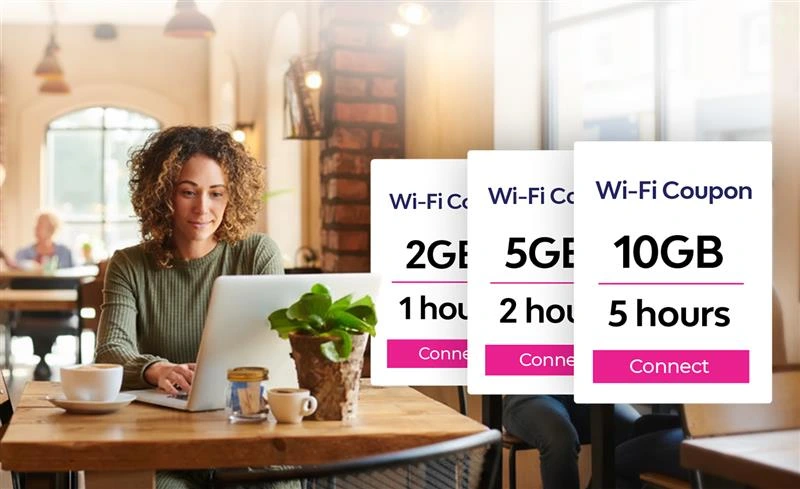
Captive portals can offer premium internet access, sponsored ads, or partner promotions. This is especially useful in airports, hotels, and event venues.
Some hospitality groups report measurable incremental revenue from premium Wi-Fi tiers alone.
Real world example
Hotels often provide free standard Wi-Fi with paid high speed options for business travelers.
Pros and cons
Pros
- New revenue stream
- Flexible pricing models
- Supports partnerships
Cons
- Poor value perception can hurt satisfaction
- Payment systems add complexity
Implementation tips
- Keep free access usable
- Clearly explain premium benefits
- Test pricing models
Key takeaways
- Monetization works when value is clear
- Free access remains important
- Transparency builds acceptance
7. Improved Guest Satisfaction
Fast and seamless access matters
Guests expect Wi-Fi to work instantly. Modern captive portals support one tap logins, social sign ins, and remembered devices.
According to hospitality surveys, Wi-Fi quality ranks among the top three factors influencing guest satisfaction.
Real world example
Hotels using frictionless login portals see higher review scores related to connectivity and convenience.
Pros and cons
Pros
- Faster connections
- Fewer complaints
- Better reviews
Cons
- Complex portals hurt experience
- Older devices need compatibility support
Implementation tips
- Minimize login steps
- Offer guest friendly options
- Test across devices
Key takeaways
- Speed equals satisfaction
- Simplicity wins
- User testing is essential
8. Integration with Marketing Tools
Wi-Fi meets personalized marketing
Captive portals can sync with email platforms and CRM systems. This allows personalized follow ups, loyalty campaigns, and targeted offers.
Businesses using Wi-Fi based marketing report higher engagement compared to generic campaigns.
Real world example
Retail stores send discount codes to guests who logged in during previous visits, increasing repeat foot traffic.
Pros and cons
Pros
- Personalized communication
- Better campaign ROI
- Automated workflows
Cons
- Requires system integration
- Must respect opt in rules
Implementation tips
- Integrate only necessary tools
- Segment audiences wisely
- Respect unsubscribe requests
Key takeaways
- Wi-Fi data fuels marketing
- Personalization increases results
- Consent remains critical
9. Easy Customization and Scalability
Growing with your business
Modern captive portals are cloud managed, making them easy to customize and scale across locations. Whether you run one cafe or 100 stores, management remains centralized.
Real world example
Retail chains roll out consistent Wi-Fi experiences across regions while allowing local promotions per location.
Pros and cons
Pros
- Central control
- Consistent experience
- Location specific flexibility
Cons
- Vendor lock in risks
- Requires training
Implementation tips
- Choose scalable platforms
- Standardize templates
- Document processes
Key takeaways
- Scalability saves time
- Consistency builds brand trust
- Cloud management simplifies operations
10. Cost Effective Solution
Reducing hidden Wi-Fi costs
Captive portals reduce support tickets, misuse, and network abuse. Over time, this lowers operational costs.
Studies show managed guest Wi-Fi environments reduce IT intervention by up to 40 percent.
Real world example
Retailers with controlled Wi-Fi report fewer complaints and less downtime, freeing IT teams for strategic work.
Pros and cons
Pros
- Lower support costs
- Better resource utilization
- Predictable performance
Cons
- Initial setup investment
- Requires ongoing monitoring
Implementation tips
- Calculate total cost of ownership
- Train staff basics
- Monitor performance regularly
Key takeaways
- Captive portals pay for themselves
- Prevention costs less than fixes
- Long term savings matter

Captive Portals vs Open Wi-Fi
| Feature | Captive Portal Wi-Fi | Open Wi-Fi |
|---|---|---|
| Security | High | Low |
| User Data | Yes | No |
| Branding | Custom | None |
| Compliance | Supported | Risky |
| Guest Experience | Controlled and smooth | Unpredictable |
How to Choose and Implement a Captive Portal for Your Guest Wi-Fi
Choosing the right captive portal solution starts with understanding your business goals. Are you focused on security, marketing, guest experience, or all three?
Step by step approach
- Assess your environment
Number of users, locations, and device types matter. - Define objectives
Security, data collection, monetization, or branding. - Select a provider
Popular options include Cisco Meraki and Purple WiFi, known for reliability and analytics capabilities. - Design the user journey
Keep login steps minimal and mobile friendly. - Ensure compliance
Include clear terms and privacy notices. - Test and optimize
Monitor login success rates and feedback.
Common pitfalls to avoid
- Overloading portals with long forms
- Ignoring mobile optimization
- Neglecting privacy regulations
Calculating ROI
ROI comes from reduced support costs, increased marketing effectiveness, and improved guest satisfaction. Track metrics such as login completion rate, repeat visitors, and campaign conversions.
Key takeaway
A well implemented captive portal is not an expense, it is an asset.
How Monyfi Elevates Captive Portals for Guest Wi-Fi
While many captive portal solutions cover the basics, modern businesses in 2026 need more than just a login page. This is where Monyfi stands out as a next generation guest Wi-Fi management solution designed specifically for customer facing environments such as hotels, cafes, restaurants, and retail stores.
Built for real world guest Wi-Fi challenges
Monyfi is designed with operational simplicity and business growth in mind. Instead of treating guest Wi-Fi as a technical afterthought, it turns connectivity into a strategic asset.
With Monyfi, businesses can deploy fully branded captive portals that support multiple login methods such as OTP, email, or one tap access. This ensures fast connections for guests while maintaining strong network control behind the scenes.
What makes Monyfi different
Smart security by design
Monyfi helps isolate guest traffic from internal networks, reducing exposure to cyber risks. This aligns with best practices recommended by enterprise network vendors and hospitality IT standards.
Actionable analytics, not just data
Rather than overwhelming businesses with raw numbers, Monyfi presents clear insights such as repeat visits, peak hours, and user behavior trends. These insights help owners make smarter decisions around staffing, promotions, and layout planning.
Marketing friendly without complexity
Monyfi integrates guest Wi-Fi access with marketing workflows, enabling businesses to build permission based customer lists and run targeted campaigns without technical overhead.
Scales as your business grows
Whether you manage a single cafe or multiple locations, Monyfi allows centralized control while still supporting location specific branding and campaigns.
Practical benefits for businesses
- Faster and smoother guest Wi-Fi access
- Improved compliance with data privacy requirements
- Reduced IT support workload
- Better visibility into customer behavior
- Stronger brand presence at the point of connection
For businesses looking to move beyond basic captive portals and truly maximize the value of guest Wi-Fi, Monyfi offers a balanced approach that combines security, usability, and business intelligence in one platform.
Conclusion: The Smart Future of Guest Wi-Fi
Captive portals for guest Wi-Fi have evolved into essential tools for modern businesses. In 2026, they are no longer optional add ons but strategic infrastructure. From enhanced network security and compliance to better guest satisfaction and marketing insights, the benefits are clear.
Looking ahead, we will see AI integrated portals that adapt login experiences in real time, predict network load, and personalize offers automatically. Businesses that invest now will stay ahead of both customer expectations and regulatory demands.
Ready to upgrade your guest Wi-Fi? Explore our captive portal solutions today and turn connectivity into a competitive advantage.
Frequently Asked Questions
What are the main advantages of using captive portals in hotel Wi-Fi?
Captive portals improve network security, ensure legal and regulatory compliance, enhance the guest experience, and provide hotels with valuable insights into guest behavior and usage patterns.
Do captive portals slow down Wi-Fi access?
When designed and configured correctly, modern captive portals enable fast and seamless connections with minimal delay, often taking just a few seconds for users to get online.
Are captive portals compliant with data privacy laws?
Yes. Captive portals support data privacy compliance by requiring clear user consent and enabling proper handling, storage, and logging of user data in line with regulations.
Can small cafes benefit from captive portals?
Absolutely. Even small cafes benefit from better network control, branded Wi-Fi experiences, and access to customer data that can support marketing and loyalty efforts.
How do captive portals improve guest Wi-Fi security?
They restrict unauthorized access, log user activity, and isolate guest traffic from internal business systems, significantly reducing security risks.
Is monetizing guest Wi-Fi a good idea?
It can be effective, especially for hotels, airports, and large venues, as long as free Wi-Fi remains accessible and premium options clearly offer added value.
What is the future of captive portals?
The future includes AI driven personalization, smarter security controls, and deeper integration with marketing and business systems to deliver more intelligent guest Wi-Fi experiences.